Nature Based Solutions (NBS)as an environmental approach for Disaster Risk Reduction (DRR) and enhance the community resiliency in areas with high risk of landslides.
Case study: Medellín city, Colombia
Executive summary
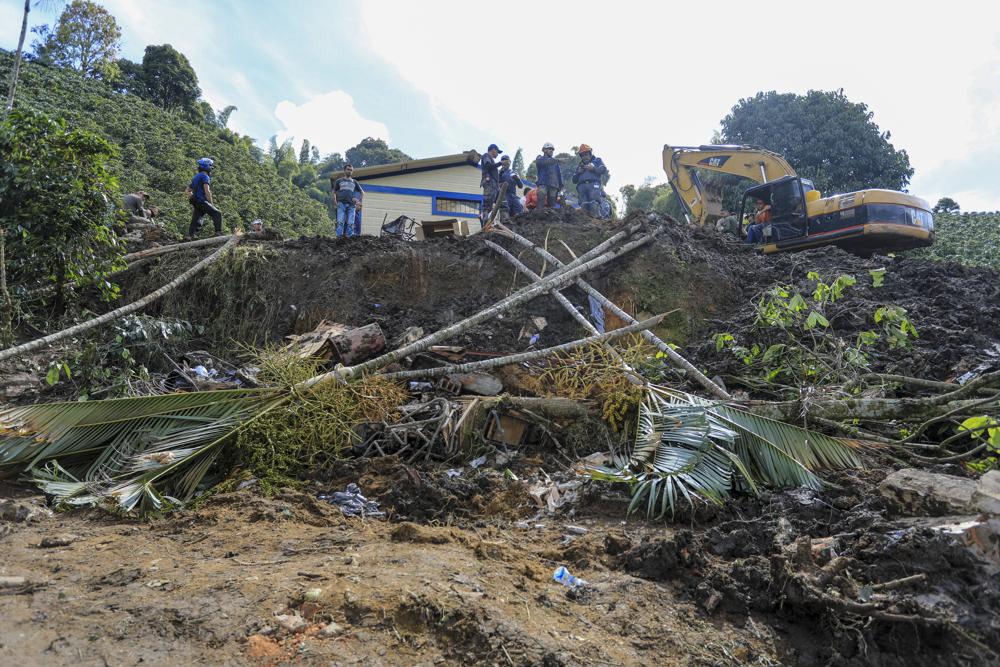
Landslide is a hazardous incident which usually causes considerable fatalities and serious damage to the infrastructures and the vulnerable communities that are living in the affecting zone. This paper focuses on the risky conditions of landslides in Medellín city, Colombia, as a city with high vulnerability of this phenomenon. It is common to experience landslides in this mountainous region of northwest Colombia, especially after heavy rains. (See the CNN news (Suarez and Pozzebon, 2022) and the AP news (Rueda, 2022)) The risk of damages has got worsened in the recent decades in the region, especially because of the rapid urbanization and high frequency and severity of the precipitation due to the climate change.
So, the main question of the paper is “facing steep areas with a high risk of landslides, how can planners adopt Nature Based Solutions (NBS) with the help of vulnerable communities to create more resiliency? “For this purpose, the paper reviews literature of two overarching concepts of Disaster risk reduction and community resiliency, to address and analyze the ongoing risky condition of Medellín. Also, it introduces the NBS as an effective way of disaster risk reduction (DRR) strategy in the prone to landslide areas. Using the qualitative descriptive method, the article analyzes the ongoing situation in Medellín. Additionally, it discusses the importance of notifying social dimensions while implementing NBS. Thus, it argues how community-based approach toward NBS could create more resilient communities in times of catastrophic events. This paper is helpful for planners and practitioners who wish to implement NBS ideas in steep and ecologically vulnerable sites with the risk of landslide incidents, with marginalized inhabitants.
Timeline
2 Months
Date Completed
May 2023
 M. Reza Movahedi